
Romanian Economic Miracle
- Debt Based Development Works


There is a huge debate out there about whether there has been a Romanian economic miracle. A first glance, there has definitely been one. Romania is now ahead of both Hungary and Slovakia in terms of GDP per capita on purchasing power parity.
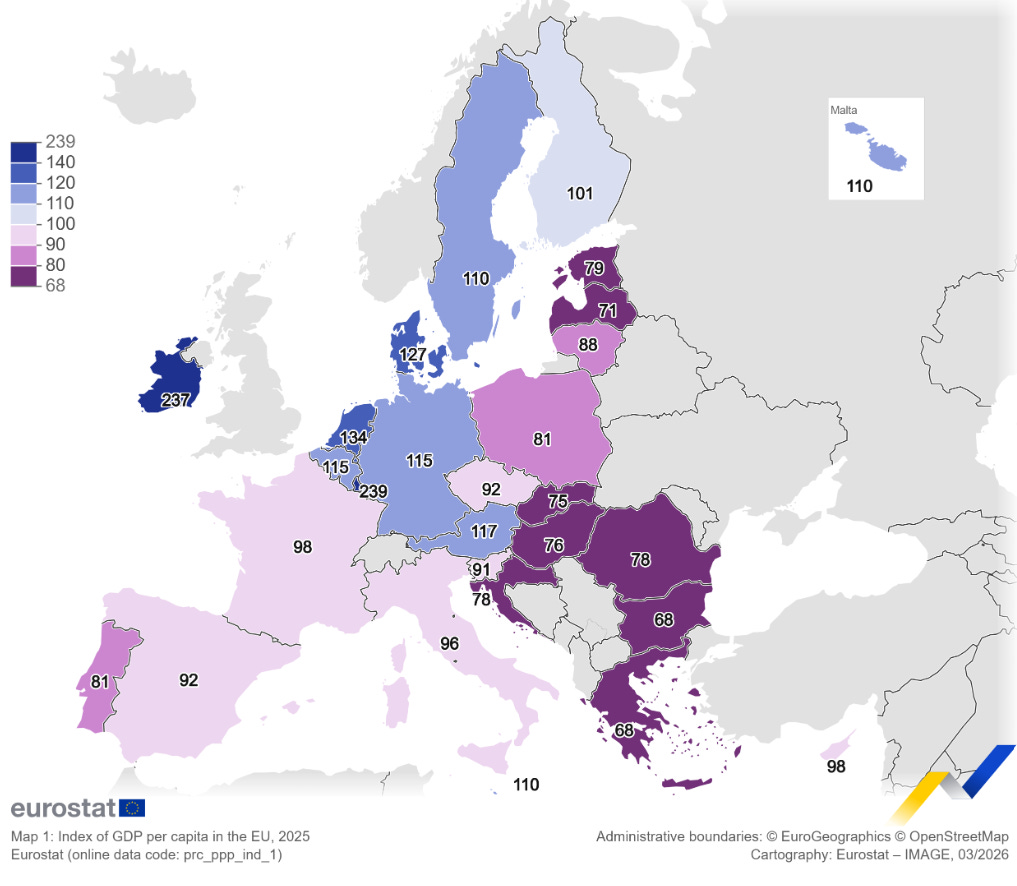
This achievement is amazing, especially if we look back in time. A comparison with Hungary is very telling:
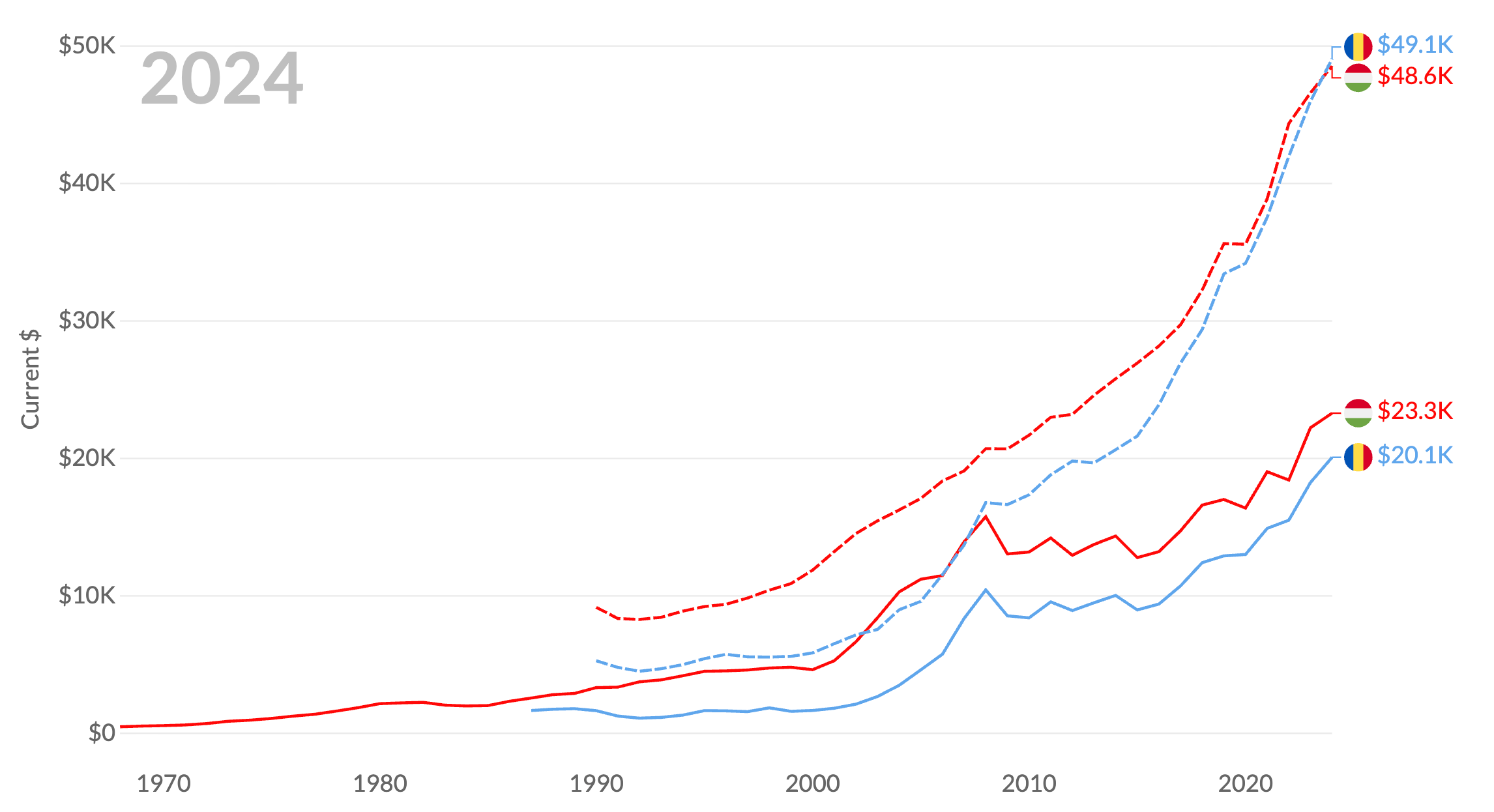
Hungary came out of communism as one of the richest countries in the East, while Romania after Ceausescu was left devastated. Hungary’s GDP per capita at PPP was more than double as late as the early 2000s. As we can see, Romania then begins to close the gap, until by around 2024 this is fully achieved. This only applies to GDP per capita at PPP, and not at nominal values, which implies that much of recent convergence has to do with the massive inflationary surge in Hungary during Viktor Orbán’s last term. As Romanian prices will continue to increase, this PPP advantage will be lost Hungary still has higher GDP per capita at nominal values.
These are facts.
Yet some people are incredulous.
They usually argue that if you actually visit these two countries, you can still visibly see that Hungary is the more developed country, and Romania the less developed one. And they are right, the above facts and their visual observations are not contradictory.
GDP does not equal wealt, or level of development. The Russian-American inventor of the GDP measure, Simon Kuznets warned about this mistake as soon as he created the concept for Roosevelt’s New Deal. GDP is the economic output of a country in a given year, not the accumulate wealth of the same country over time. Wealth is accumulated by adding more and more GDP each year, and is destroyed by deprecation, war, natural disasters, etc. Thus Romania can have a higher GDP per capita at PPP, and at the same time still be poorer than Hungary. However, if it continues to have higher GDP, over time it will become richer. This is the first thing.
The second thing, however, is the trend. Romania’s convergence with Hungary is an enormous success story, no matter what. It has risen from a poor Balkans country to the level of the Visegrad states. It has risen from 26% of EU average in 2000 to 78% by 2024. Well done, Romania, we should all be very happy about this. Most of us are.
At the same time, Hungary got stuck under Viktor Orbán. A new government will now have a new chance to remobilise the economy.
A very clear demonstration of how Hungary is still richer is provided by household wealth. As can be seen from the graph below, Hungary’s household wealth was at 212% of GDP at the end of 2023, while household wealth in Romania was below 100% of GDP).
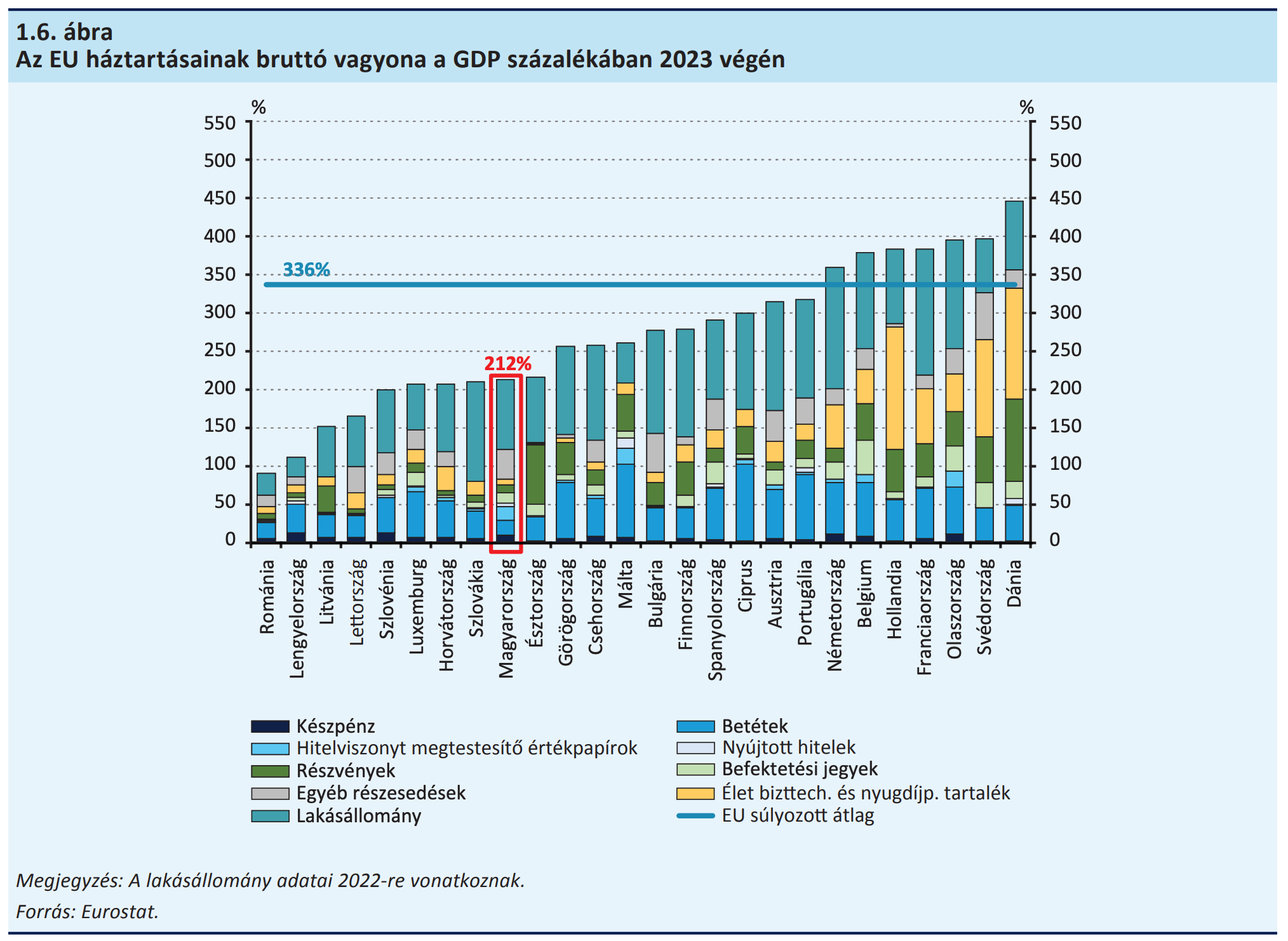
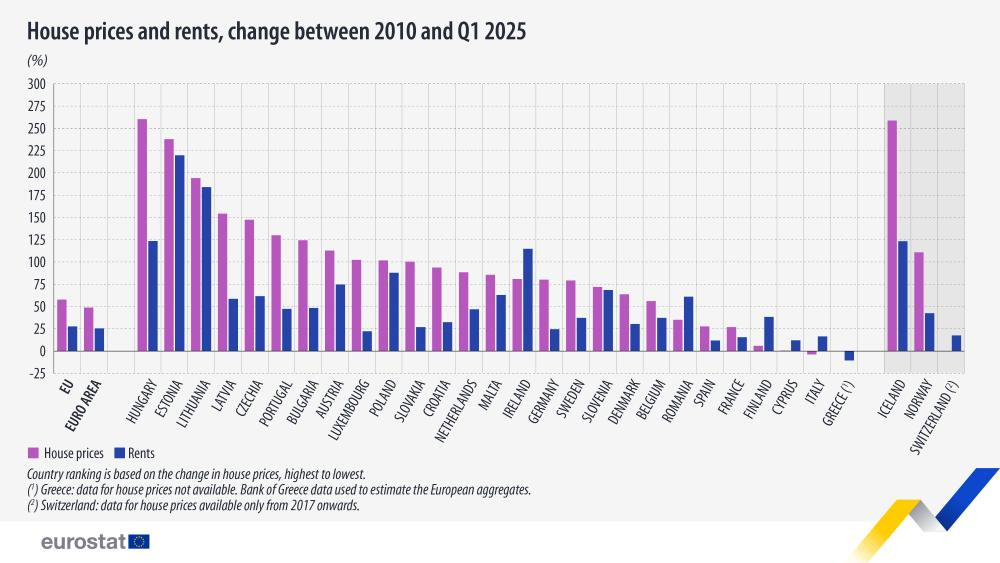
However, it must be added that a very large part of Hungarian household wealth is in the form of properties owned, and since Hungary has had by far the highest increase in property prices, this is not necessarily good news. Hungary is in fact facing a housing affordability crisis.
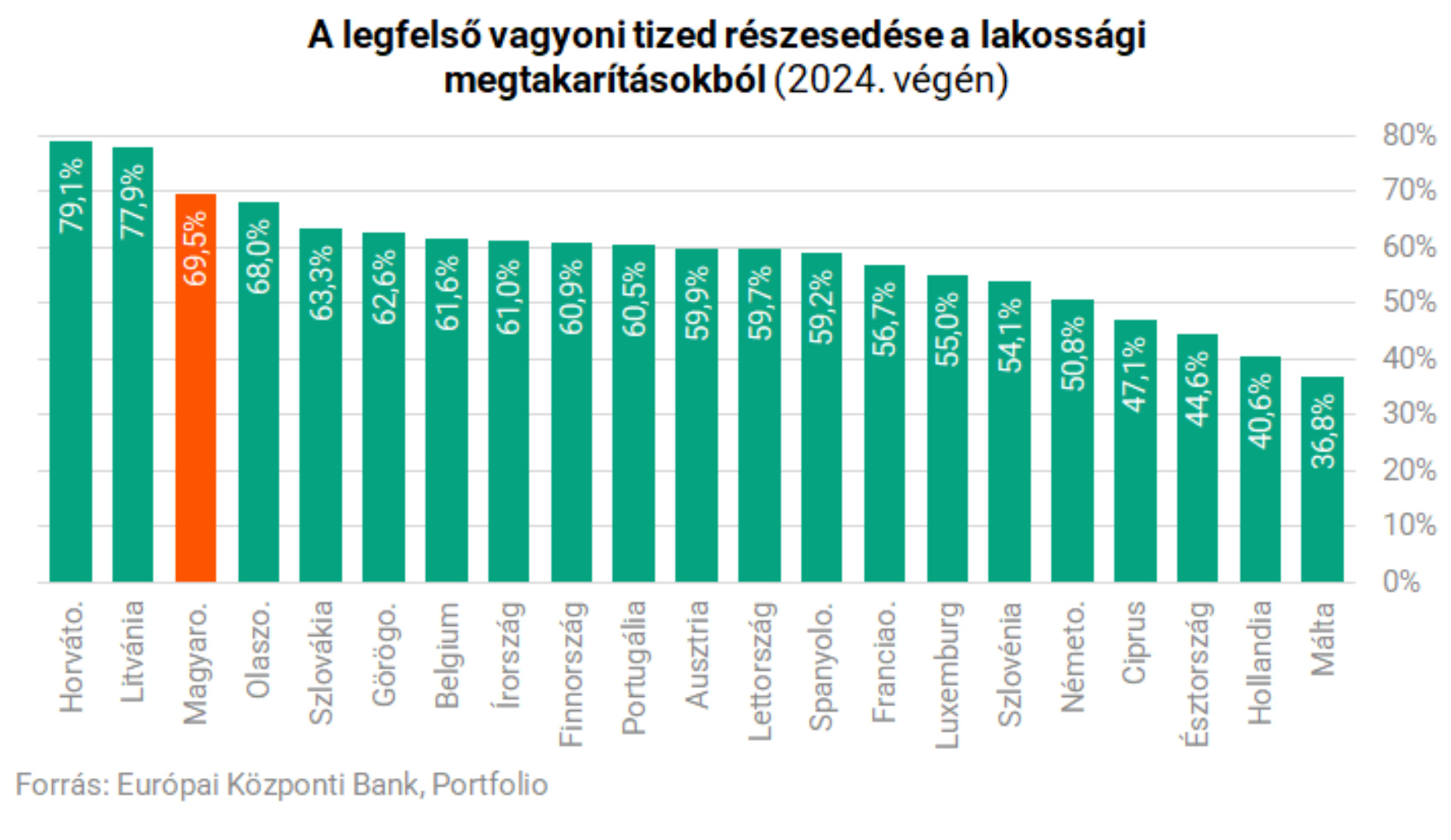
Also, almost 70% of that household wealth in Hungary is owned by the top10%. The same figure for Romania is 58%.
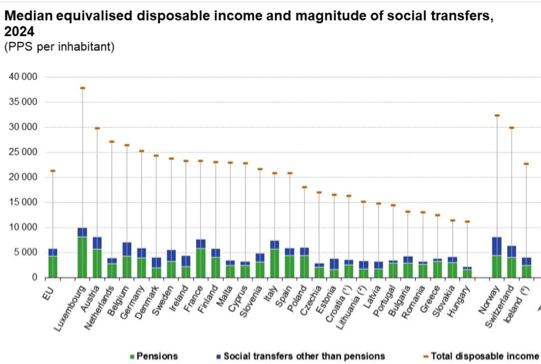
However, disposable income is already higher in Romania at PPP.
Debt driven development?
What has driven Romania’s amazing development? Our answer is, much like in the case or Poland, that it was the government.
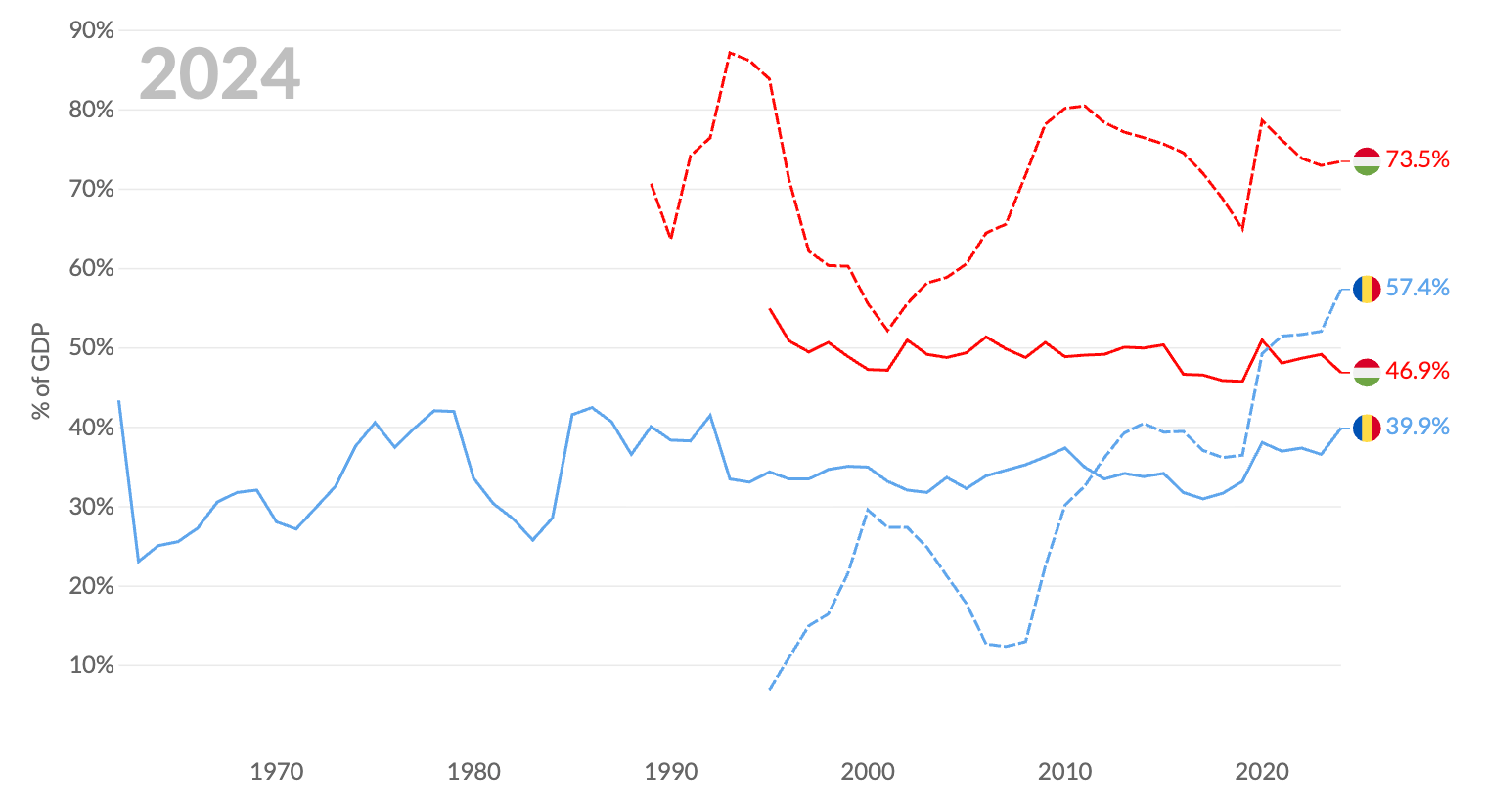
There has clearly been investment in some factors underpinning productivity, such as highways (see charts). Roads in general are a much higher quality than after Ceacusesu, when they were really at a Third World level.

However, the rail system is extremely out of date and needs rapid modernisation.
Can a country achieve phenomenal economic growth based on debt? Yes it can. The primary example here is South Korea, which had once been poorer than South Korea, but which has since then produced the fastest economic growth story in human history - based on state debt. General Park took on state debt and invested it into the economy. The proviso here is that this debt must be invested into the economy to improve its productivity. In the case of Romania, some of it has been (see next section), productivity has in fact increased. Some of the debt is likely to have been wasted…
Productivity based development
Romania’s development has been based on massive improvements in productivity.
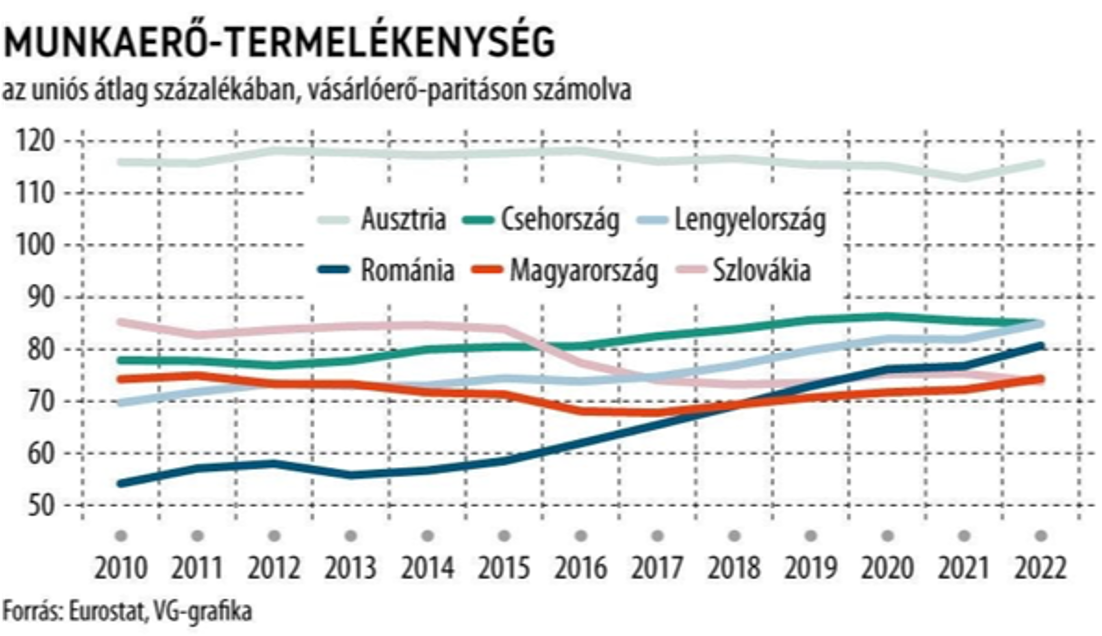
As can be seen from the above graph, Romanian productivity starts off way below the Visegrad states in 2010, at 54% as opposed to 75% for Hungary. However, whereas Hungary shows no increase at all, even a small dip midway, Romania overtakes Hungary by around 2018-2019, to finish up way above at 81%, as opposed to the same 75% for Hungary.
Thus a very rapid increase in productivity has clearly been part of the Romanian “miracle”. What exactly this has entailed is a matter for further investigation.
The Romanian ICT story
It is usually part of the Romania narrative that the country has attracted a lot of ICT investment, due to the fact that it trains a lot of IT experts, who are then willing to work for lower wages. Official statistics seem to be contradictory in this respect, to say the least.

The official ICT / gross value added statistics of Eurostat do not confirm Romania as an outstanding ICT powerhouse. But then again, if we are to believe these figures, Bulgaria would be Europe’s ICT superpower…really?
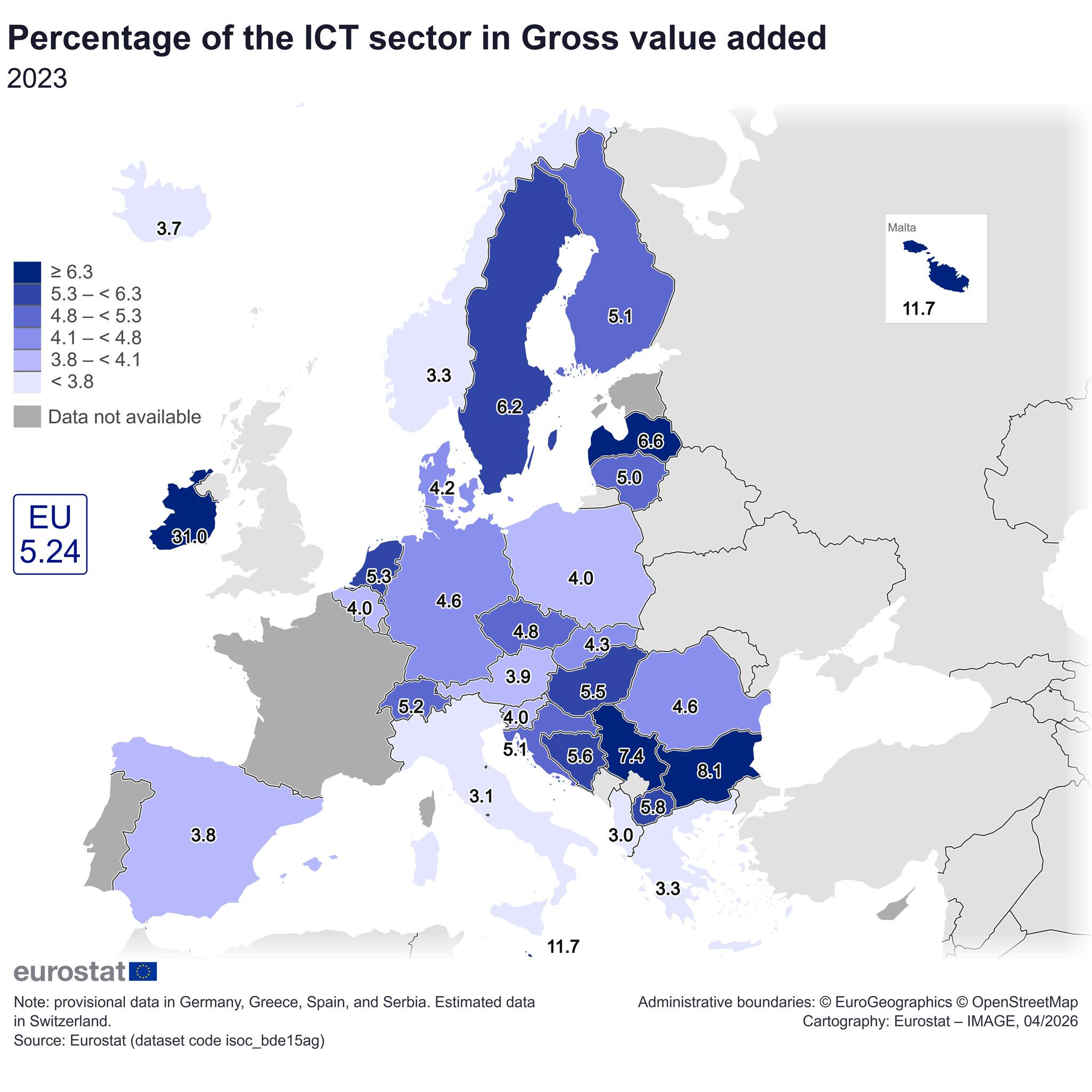
However, comtrade and the IMF tell a completely different story:
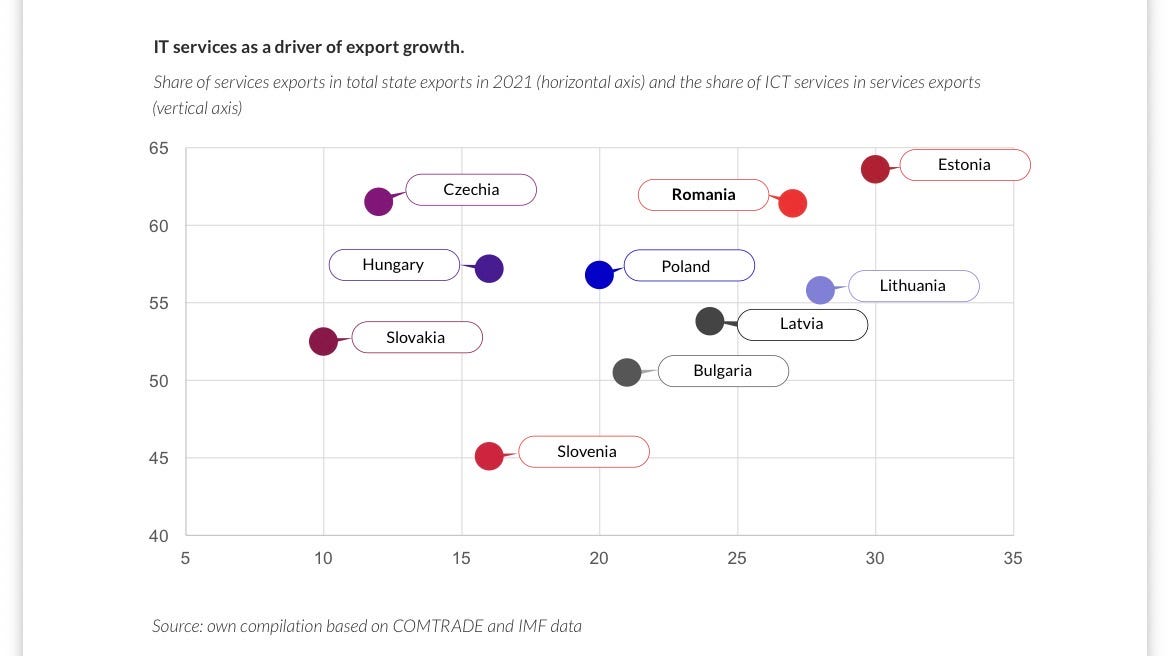
According to this, Romania’s exports have a higher proportion of services than those of the Visegrad states, and within that, IT Services are also very high. (Here is a relatively good overview of the Romanian IT sector.)
Household consumption as a driver of economic growth
As Nicholas Kaldor and Petrus Johannes Verdoorn have shown, higher household consumption is not simply a consequence, a “fruit” of higher productivity and higher economic output, but it can also be a driver. The mechanism? Underconsumption can be understood as a lack of demand. Higher consumption means higher demand, innovations spread faster, there are opportunities for economies of scale, and it is easier to invest into productivity when returns are faster.
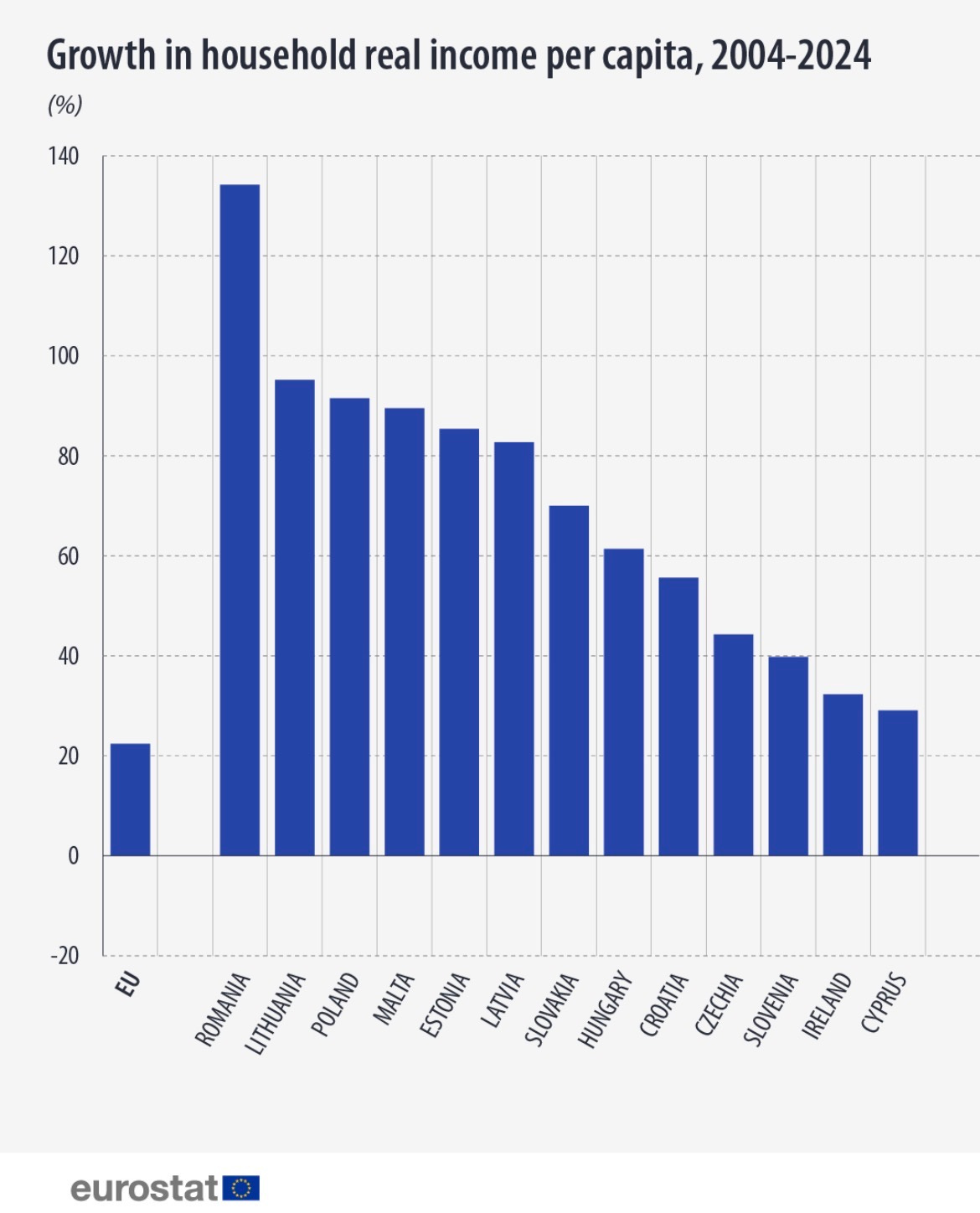
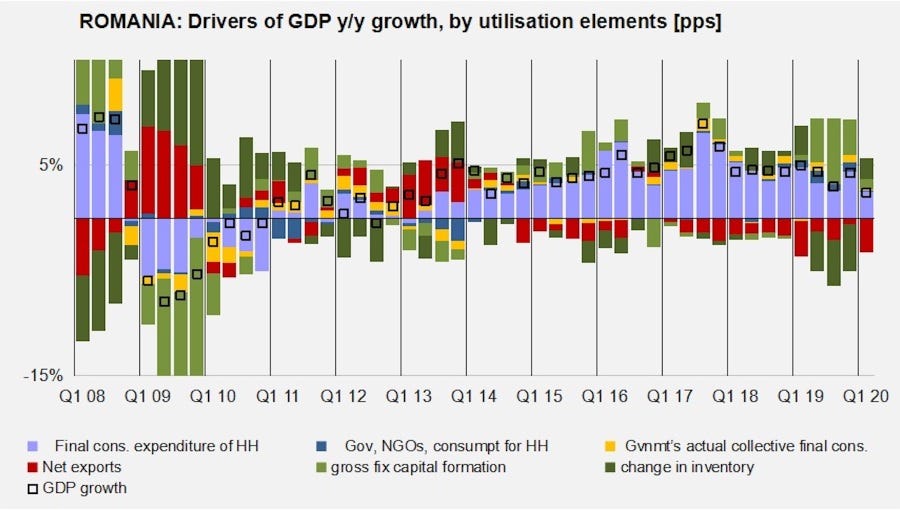
It is often mentioned by critics of the Romanian economic miracle that it has been achieved at the cost of making the average Romanian household indebted. However, this view is not corroborated by relevant data.
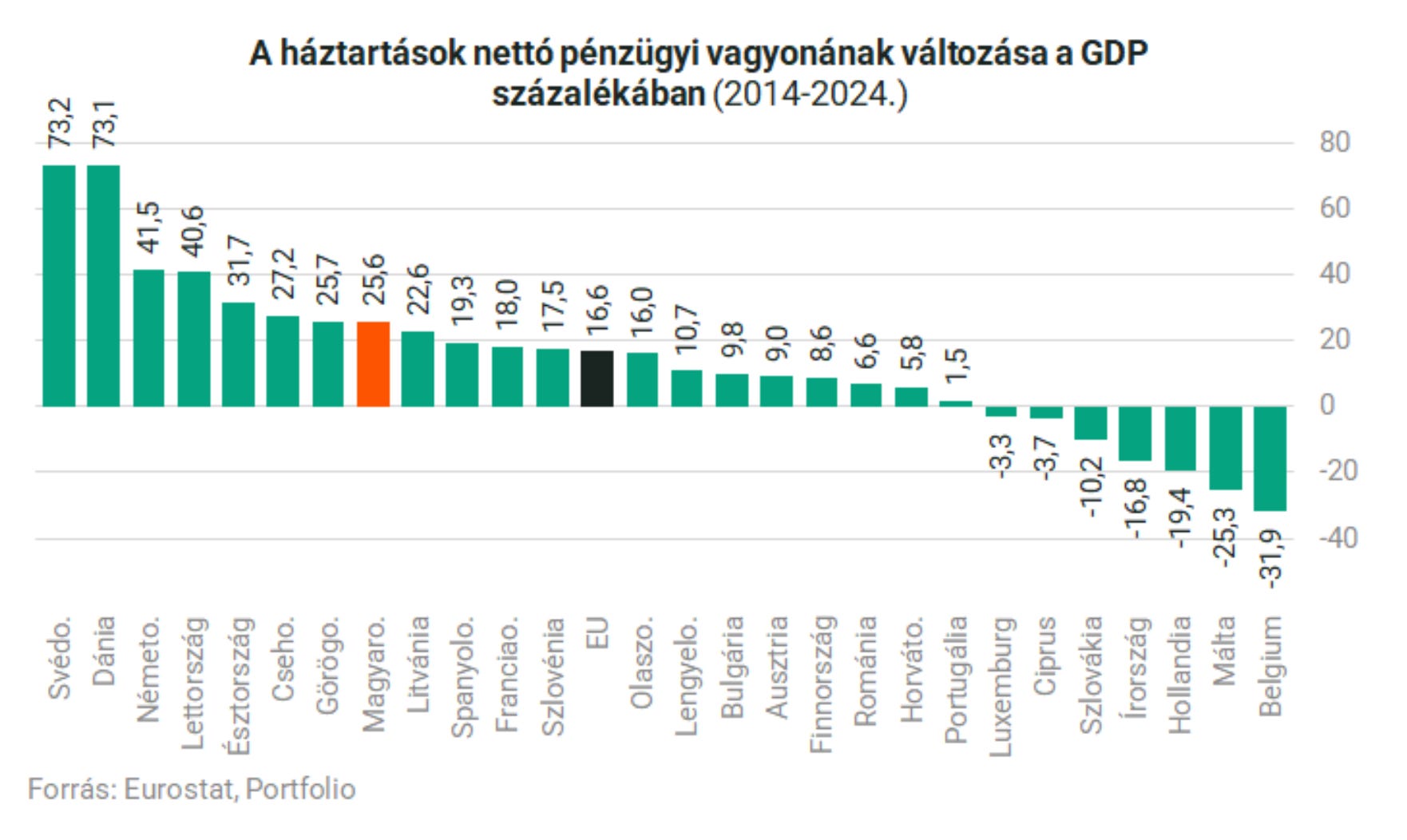
ROmanian households have in fact managed to increase their net financial position, while simultaneously undergoing a massive increase in consumption.